
Caution: Do Not Touch Bare or Exposed Wires
- Never touch bare, frayed, or exposed electrical wires, even if you believe the circuit is off.
- Assume all wires are energized until they are properly tested with approved equipment.
- Keep hands, tools, and conductive materials away from any damaged or uninsulated wiring.
- Report and isolate the area immediately to prevent accidental contact by others.
- Only qualified personnel should inspect, repair, or replace exposed wiring.
Visual Wire — Definition & Review
A visual wire refers to any electrical conductor that is clearly visible, exposed, or identifiable by sight during inspection or installation. The term is often used in safety checks, troubleshooting, and code‑compliance reviews to distinguish wiring that can be directly observed from wiring concealed inside walls, conduits, or enclosures.
Key Characteristics
- Physically visible without removing covers, panels, or conduit
- Accessible for inspection of insulation, routing, and condition
- Used to verify safety, proper installation, and absence of damage
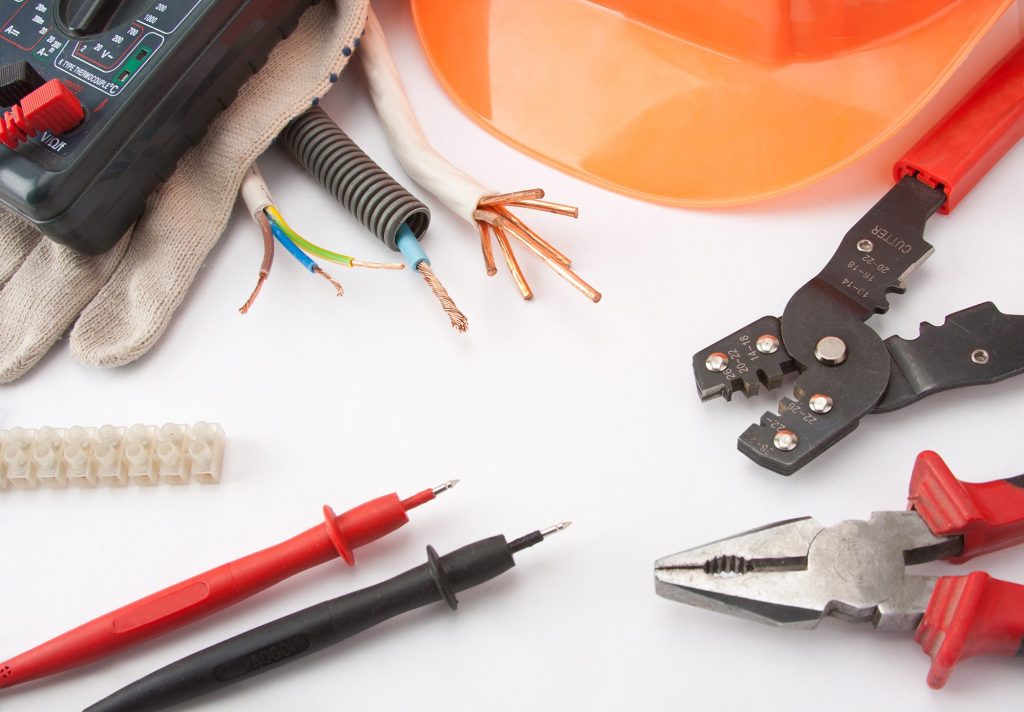
- Critical for identifying hazards, such as frayed insulation or exposed conductors
Why It Matters
Visual wires allow technicians to:
- Confirm correct routing and support
- Check for wear, heat damage, or improper splices
- Ensure no bare or exposed conductors are present
- Validate compliance with NEC and manufacturer requirements
Common Use Cases
- Pre‑work safety assessments
- Post‑installation inspections
- Troubleshooting electrical faults
- Documenting visible hazards for repair